Tinnitus & Misophonia
Help for Tinnitus & Misophonia
Hearing-related conditions can vary greatly from person to person, which is why a professional assessment is essential to understand your specific experience and needs.
At Franschhoek Hearing, our audiologists provide thorough evaluations and personalised support for a range of auditory concerns, including tinnitus and misophonia. Our goal is to help you better understand your symptoms and develop practical strategies to reduce their impact on your daily life.
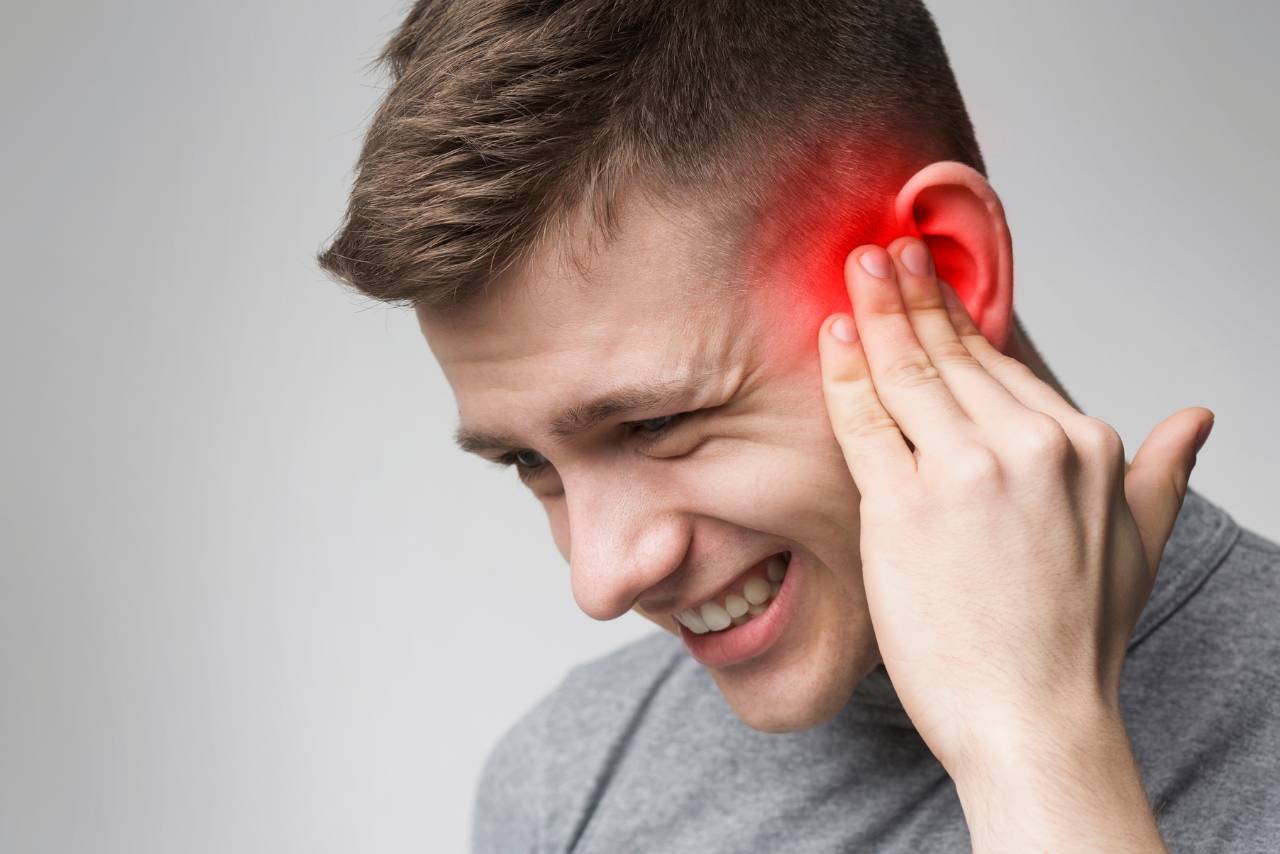

What is Tinnitus?
Tinnitus causes an individual to constantly perceive sounds, even when there is no external sound present. The phantom sounds that are heard by most sufferers include a ringing, buzzing, clicking, hissing, humming, or roaring sound. The sounds may be perceived in one or both ears, and can differ in volume – in some cases, the sound is severe enough to hamper everyday activities.
The exact cause of tinnitus is difficult to determine and unfortunately there is no cure. There are certain health conditions, however, that are believed to cause or worsen tinnitus.
Some precautions that may prevent you from acquiring tinnitus, include:
Protecting your hearing
Taking care of your cardiovascular health
Turn down the volume
What is Misophonia?
Misophonia is a condition that causes a person to experience negative and distressing reactions to certain sounds that most people take little or no notice of. This disorder is not the same as hyperacusis, which is an over-sensitivity to the volume of sounds. Misophonia only elicits excessively negative and immediate emotional and physiological responses to certain sounds. Some of the most common sounds that can trigger distress include slurping, chewing, sniffing, etc.
The extreme sensitivity to certain sounds that sufferers experience can have a damaging effect on their daily living. Interactions with significant people in their lives can also be affected in ways that create tension or interfere with personal relationships. In an attempt to avoid problematic situations, a person with misophonia can become withdrawn and avoid certain situations such as eating with friends and family, going out to restaurants or visiting places of interest.
We focus on sound enrichment therapy and specialized counselling together with psychologists to assist patients with this disorder.