
Hearing Aids
Manufactured by Top Brands
Hearing Aid Fittings and Management
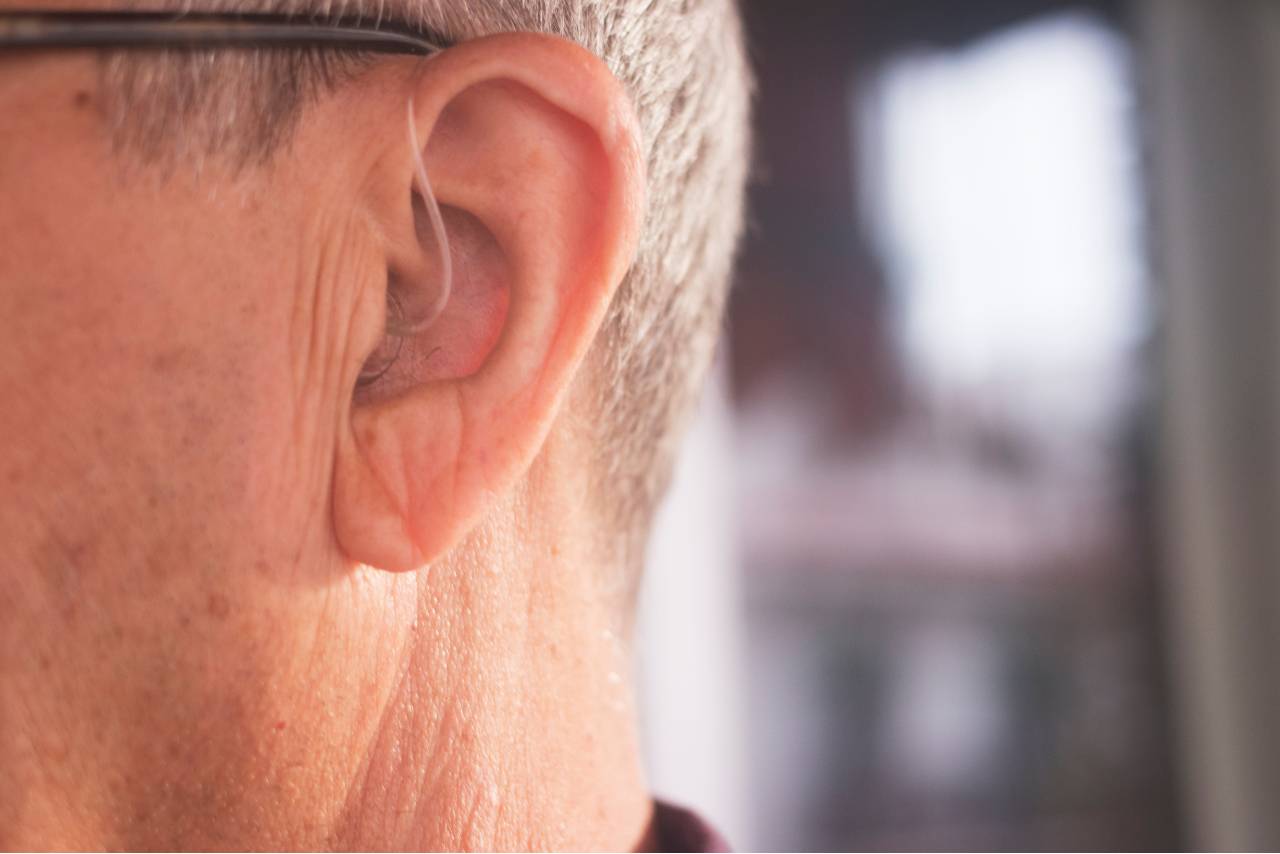
Hearing aids, also referred to as hearing devices, are available in a variety of styles, colours, and price ranges to suit different needs and budgets. Most medical aids also contribute towards the cost of hearing amplification.
The selection of a hearing device is based on your individual hearing needs, lifestyle, expectations, degree of hearing loss, and financial considerations.
While hearing aids do amplify sound, modern devices are far more advanced than simple amplifiers.
Today’s technology has evolved significantly, offering improved speech clarity, better hearing in background noise, and seamless connectivity to smartphones and other devices.
Modern hearing aids are also increasingly designed to work in harmony with the brain, enhancing how sound is processed and understood.
Franschhoek Hearing works with leading international hearing aid manufacturers to ensure access to a wide range of high-quality, trusted devices. This allows us to match each patient with the most suitable solution for their unique needs.
Is a hearing aid always recommended?
The diagnostic hearing assessment, together with the information provided by the patient, allows the audiologist to make the appropriate recommendations such as whether a consultation with an Ear, Nose and Throat specialist may be required, whether auditory training is necessary or whether some form of technology may be a solution.








Hearing Aids – More FAQ
Are all hearing aids the same?
Hearing aids range in level of sophistication, speed of processing and automaticity, as well as style and colour. Hearing aids should be fitted by an audiologist who can verify their benefit and functioning and provide on-going support.
How much do hearing aids cost?
Hearing aids vary from less than R10 000 to more than R100 000 per pair with the cost differential largely determined by the sophistication of the microchip inside the hearing aid.
The listening needs of the patient, together with the hearing assessment results, will determine which hearing aid is required. This decision is always made in consultation with the patient.
If I get a hearing aid, will my hearing be normal?
Not necessarily. A hearing aid will restore your ability to be aware of sound, but auditory training will help your brain be more receptive to the sounds that you have been missing for a while.
A hearing aid improves your access to sound – the body’s hardware, but we still need to support the brain – the software.

“I can’t tell you how many times I would’ve had to have said What? if I didn’t have my hearing aids. So my hearing aids have allowed me to practice my craft.”
How Hearing Aids Work
Most hearing devices can adjust the sound amplified based on the sound it picks up. Therefore, if it picks up a soft sound, it will be amplified more than a moderate or a loud sound. Depending on where the hearing loss is, the hearing aid can be programmed to provide more high frequency amplification and less low frequency amplification.
Hearing devices can detect sudden noises and compress sounds to prevent the wearer from being surprised by loud noises. They can also identify and reduce continuous background noise. They can differentiate, to an extent, the difference between a speech signal and a noise signal. Furthermore, hearing aids can be set to deal differently with music than with speech or noise. They can be connected to various forms of technology, such as the TV, cell phone or landline, to improve communication through these devices.
However, none of these replace brain function and while the hearing device is an important step in the process to rehabilitating hearing and communication difficulties, what you do to better your processing of auditory information is just as important.
A hearing device has no value without the added benefit of aural rehabilitation. It is like fitting a person who has lost a limb with a prosthetic device and failing to teach them how to use it.
Learning how to effectively use your new hearing device will include adopting new communication strategies, participating in an aural rehabilitation programme, having patience to allow your brain time to adjust to change, persevere when things seem difficult, to realise that you can’t run the Comrades Marathon if you only train for 15 minutes a day and being honest about the improvements that you experience. If the only thing that you dislike about amplification is the sound of your feet on the tiles, that’s not really a significant difficulty, particularly if you are not asking people to repeat themselves as often as before, the television is now turned lower and you are able to participate in conversation around you without putting your foot in it.